
Socking away money in a tax-advantaged retirement plan can help you reduce taxes and help secure a comfortable retirement. If your employer offers a 401(k) or Roth 401(k), contributing to the plan is a smart way to build a substantial nest egg.

Socking away money in a tax-advantaged retirement plan can help you reduce taxes and help secure a comfortable retirement. If your employer offers a 401(k) or Roth 401(k), contributing to the plan is a smart way to build a substantial nest egg.

As you may know, you can’t keep funds in your traditional IRA indefinitely. You have to start taking withdrawals from a traditional IRA (including a SIMPLE IRA or SEP IRA) when you reach age 72.
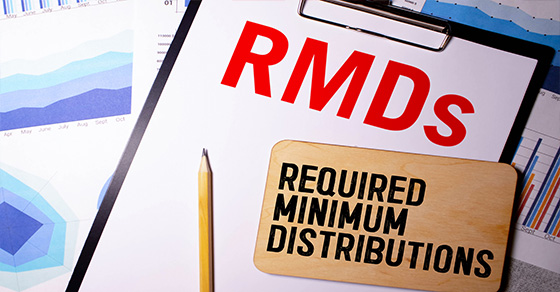
The rules for taking required minimum distributions (RMDs) are complicated, so here are some answers to frequently asked questions.

As a result of the current estate tax exemption amount ($12.06 million in 2022), many estates no longer need to be concerned with federal estate tax. Before 2011, a much smaller amount resulted in estate plans attempting to avoid it. But now, because many estates won’t be subject to estate tax, more planning can be devoted to saving income taxes for your heirs.

When you take withdrawals from your traditional IRA, you probably know that they’re taxable. But there may be a penalty tax on early withdrawals depending on how old you are when you take them and what you do with the money.

As a result of the current estate tax exemption amount ($12.06 million in 2022), many people no longer need to be concerned with federal estate tax. Before 2011, a much smaller amount resulted in estate plans attempting to avoid it. Now, because many estates won’t be subject to estate tax, more planning can be devoted to saving income taxes for your heirs.

The downturn in the stock market may have caused the value of your retirement account to decrease. But if you have a traditional IRA, this decline may provide a valuable opportunity: It may allow you to convert your traditional IRA to a Roth IRA at a lower tax cost.

Once a relatively obscure concept, “income in respect of a decedent” (IRD) may create a surprising tax bill for those who inherit certain types of property, such as IRAs or other retirement plans. Fortunately, there may be ways to minimize or even eliminate the IRD tax bite.

If you’re getting ready to file your 2021 tax return, and your tax bill is more than you’d like, there might still be a way to lower it. If you’re eligible, you can make a deductible contribution to a traditional IRA right up until the April 18, 2022, filing date and benefit from the tax savings on your 2021 return.

If you made large gifts to your children, grandchildren or other heirs last year, it’s important to determine whether you’re required to file a 2021 gift tax return. And in some cases, even if it’s not required to file one, it may be beneficial to do so anyway.

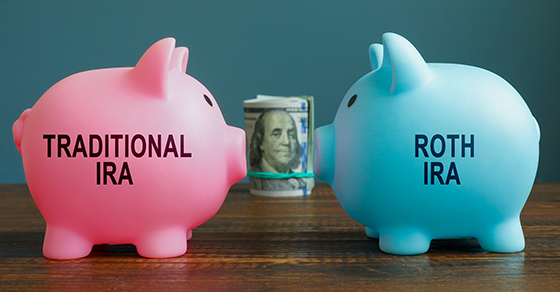
Traditional IRAs and Roth IRAs have been around for decades and the rules surrounding them have changed many times. What hasn’t changed is that they can help you save for retirement on a tax-favored basis. Here’s an overview.