

If you have a life insurance policy, you may want to ensure that the benefits your family will receive after your death won’t be included in your estate. That way, the benefits won’t be subject to federal estate tax.

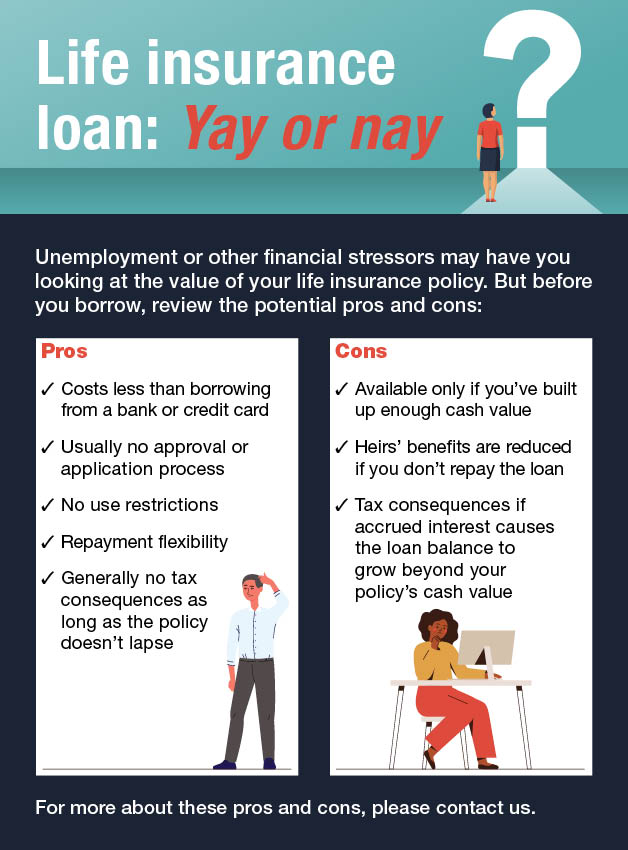
If you have a life insurance policy, you may want to ensure that the benefits your family will receive after your death won’t be included in your estate. That way, the benefits won’t be subject to federal estate tax.
If you’re getting ready to file your 2020 tax return, and your tax bill is higher than you’d like, there might still be an opportunity to lower it. If you qualify, you can make a deductible contribution to a traditional IRA right up until the April 15, 2021 filing date and benefit from the tax savings on your 2020 return.


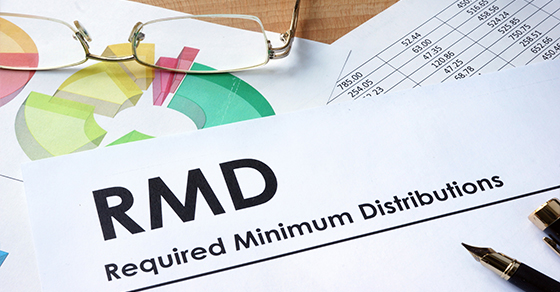
If you have a traditional IRA or tax-deferred retirement plan account, you probably know that you must take required minimum distributions (RMDs) when you reach a certain age — or you’ll be penalized. The CARES Act, which passed last March, allowed people to skip taking these withdrawals in 2020 but now that we’re in 2021, RMDs must be taken again.

Contributing to a tax-advantaged retirement plan can help you reduce taxes and save for retirement. If your employer offers a 401(k) or Roth 401(k) plan, contributing to it is a smart way to build a substantial sum of money.

As a result of the current estate tax exemption amount ($11.58 million in 2020), many estates no longer need to be concerned with federal estate tax. Before 2011, a much smaller amount resulted in estate plans attempting to avoid it. Now, because many estates won’t be subject to estate tax, more planning can be devoted to saving income taxes for your heirs.

If you’re getting close to retirement, you may wonder: Are my Social Security benefits going to be taxed? And if so, how much will you have to pay?

If you’re planning your estate, or you’ve recently inherited assets, you may be unsure of the “cost” (or “basis”) for tax purposes.