0
Comments

The 2026 Social Security wage base has been released. What’s the tax impact on employees and the self-employed? Let’s take a look.
Read More

The 2026 Social Security wage base has been released. What’s the tax impact on employees and the self-employed? Let’s take a look.
Read More
The gig economy offers flexibility, autonomy and a way to earn income, but it also comes with tax obligations that can catch many workers off guard. Whether you’re driving for a rideshare service, delivering food, selling products online or offering local services like pet walking, it’s crucial to understand the tax implications of gig work to stay compliant and avoid costly surprises.
Read More
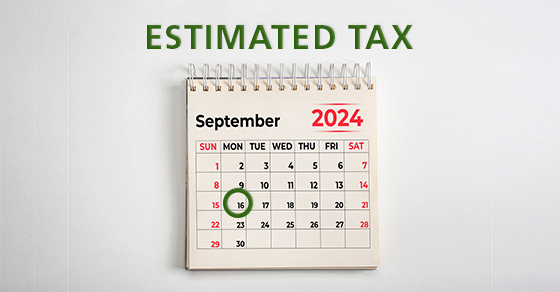
Federal estimated tax payments are designed to ensure that certain individuals pay their fair share of taxes throughout the year. If you don’t have enough federal tax withheld from your paychecks and other payments, you may have to make estimated tax payments. This is the case if you receive interest, dividends, self-employment income, capital gains, a pension or other income that’s not covered by withholding.
In recent years, many workers have become engaged in the “gig” economy. You may think of gig workers as those who deliver take-out restaurant meals, walk dogs and drive for ride-hailing services. But so-called gig work seems to be expanding. Today, some nurses have become gig workers and writers in Hollywood who recently went on strike have expressed concerns that screenwriting is becoming part of the gig economy.

April 18 is the deadline for filing your 2022 tax return. But a couple of other tax deadlines are coming up in April and they’re important for certain taxpayers:

Before the COVID-19 pandemic hit, the number of people engaged in the “gig” or sharing economy had been growing, according to several reports. And reductions in working hours during the pandemic have caused even more people to turn to gig work to make up lost income. There are tax consequences for the people who perform these jobs, which include providing car rides, delivering food, walking dogs and providing other services.
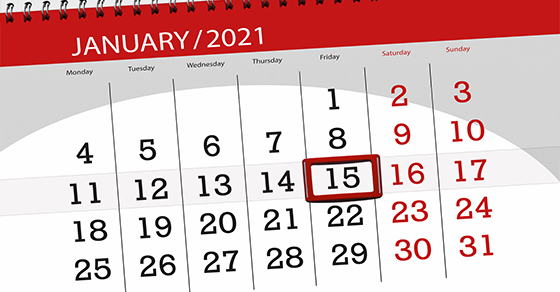
If you’re self-employed and don’t have withholding from paychecks, you probably have to make estimated tax payments. These payments must be sent to the IRS on a quarterly basis. The fourth 2020 estimated tax payment deadline for individuals is Friday, January 15, 2021. Even if you do have some withholding from paychecks or payments you receive, you may still have to make estimated payments if you receive other types of income such as Social Security, prizes, rent, interest, and dividends.

The number of people engaged in the “gig” or sharing economy has grown in recent years, according to a 2019 IRS report. And there are tax consequences for the people who perform these jobs, such as providing car rides, renting spare bedrooms, delivering food, walking dogs or providing other services.
Read More
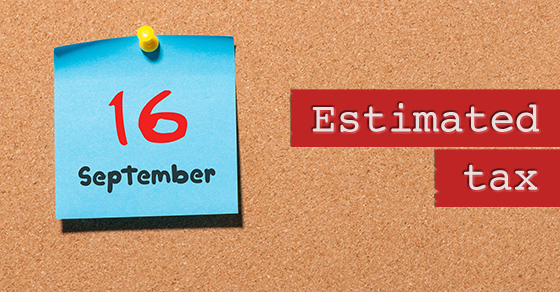
If you’re self-employed and don’t have withholding from paychecks, you probably have to make estimated tax payments. These payments must be sent to the IRS on a quarterly basis. The third 2019 estimated tax payment deadline for individuals is Monday, September 16. Even if you do have some withholding from paychecks or payments you receive, you may still have to make estimated payments if you receive other types of income such as Social Security, prizes, rent, interest, and dividends.
Read More